


お得セット ANIBAL RODRIGUEZ SSPO (Drip Bag Type) - Set of 10
お得セット ANIBAL RODRIGUEZ SSPO (Drip Bag Type) - Set of 10
Couldn't load pickup availability
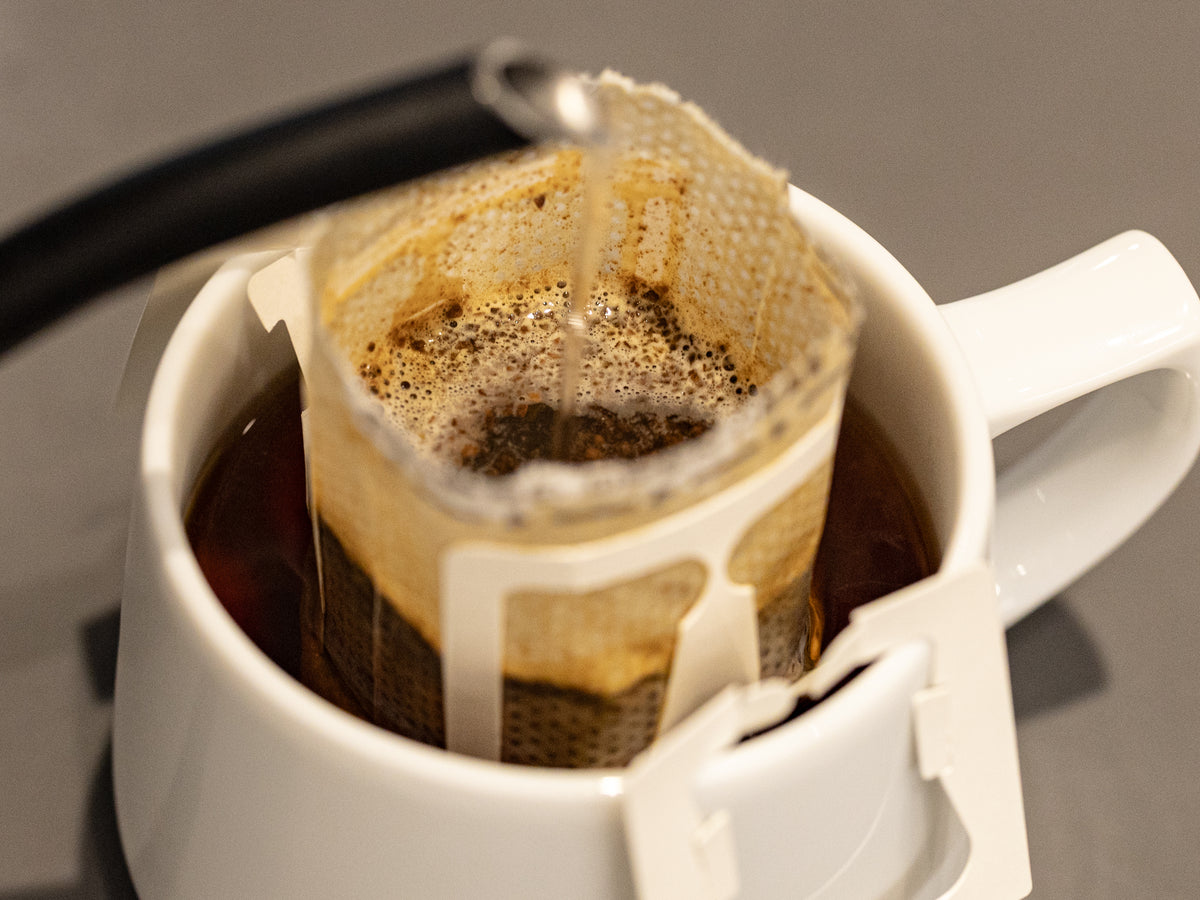
Drip bag coffee, ready to drink.
Value pack of 10.
Complex fruity notes reminiscent of plum, raspberry, and apple.
Smooth sweetness with hints of brown sugar and andy.
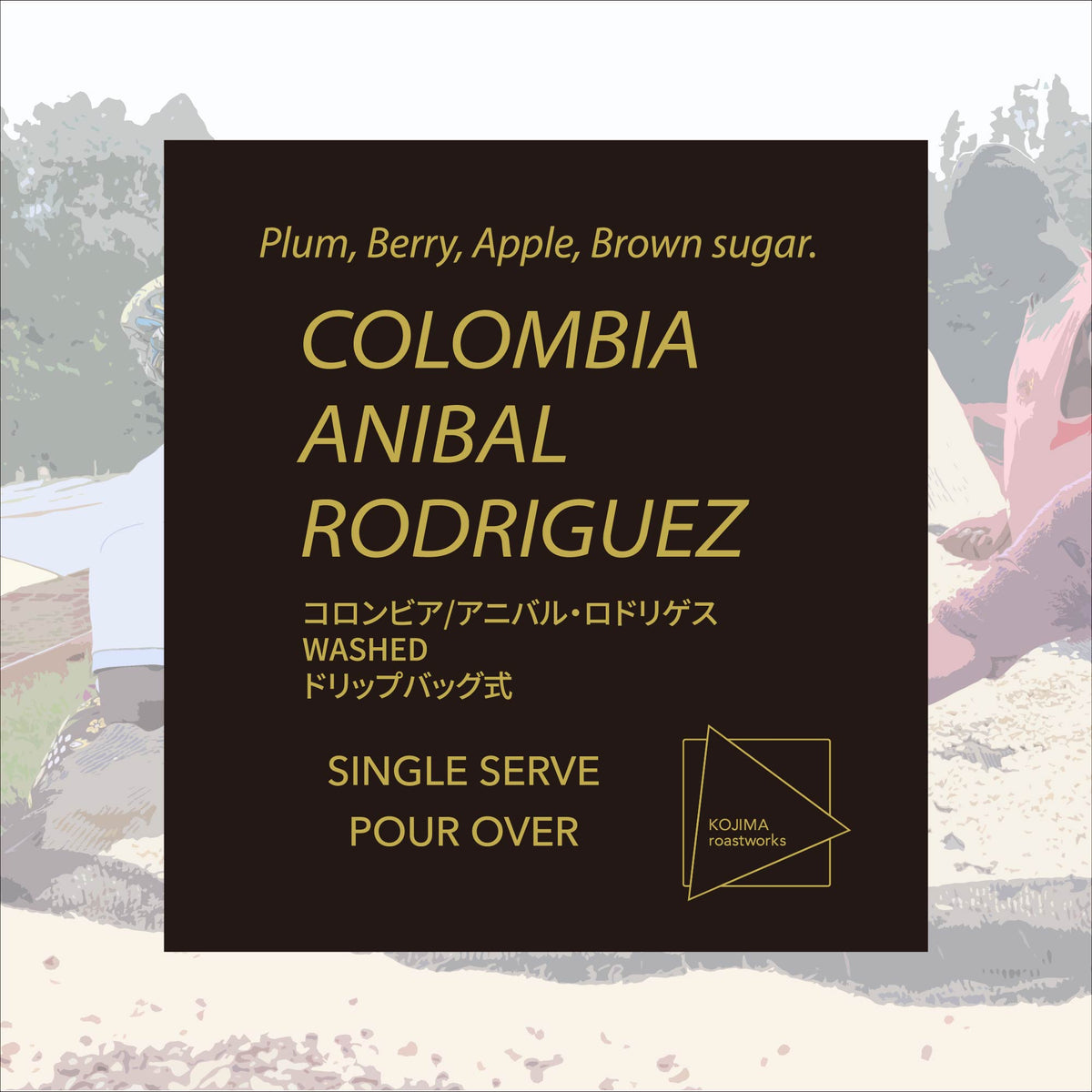
Coffee Name: Anibal Rodriguez
Region: Suaza, Huila
Country of Origin: Colombia
Farm: La Esperanza
Process: Washed
Variety: Colombia
Altitude: 1700 masl
Contents: 14g x 10 bags
Complex fruit notes reminiscent of plum, raspberry, and apple.
Smooth sweetness with hints of brown sugar and candy.
La Esperanza is a third-generation family-run farm located in Suaza, Huila.
The farm is situated at an altitude of 1,700m and is currently managed by Anibal Rodriguez.
The farm covers 4.09ha and produces approximately 3,000kg of parchment coffee annually.
They plan to improve their wastewater treatment facilities in the future.
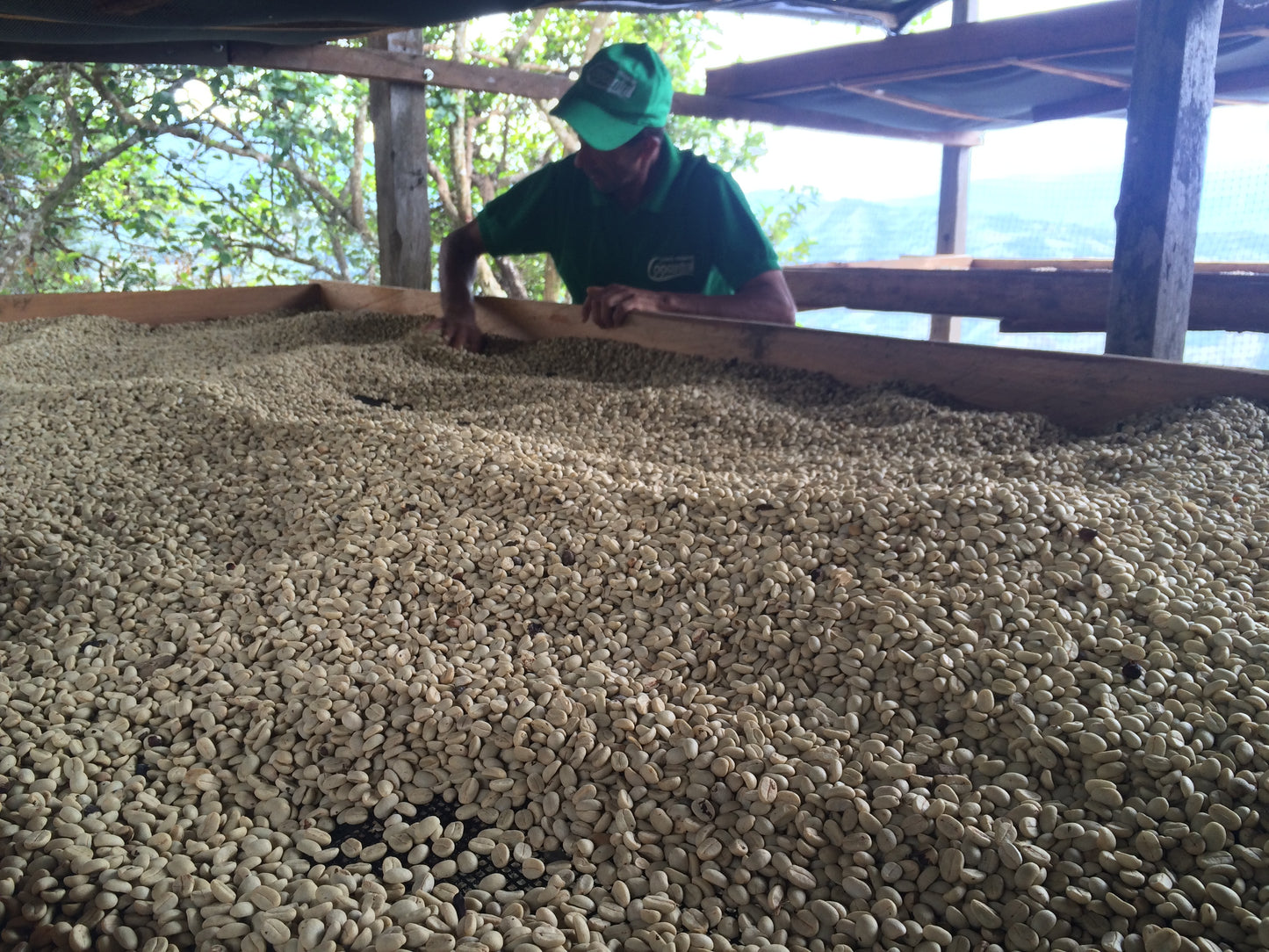
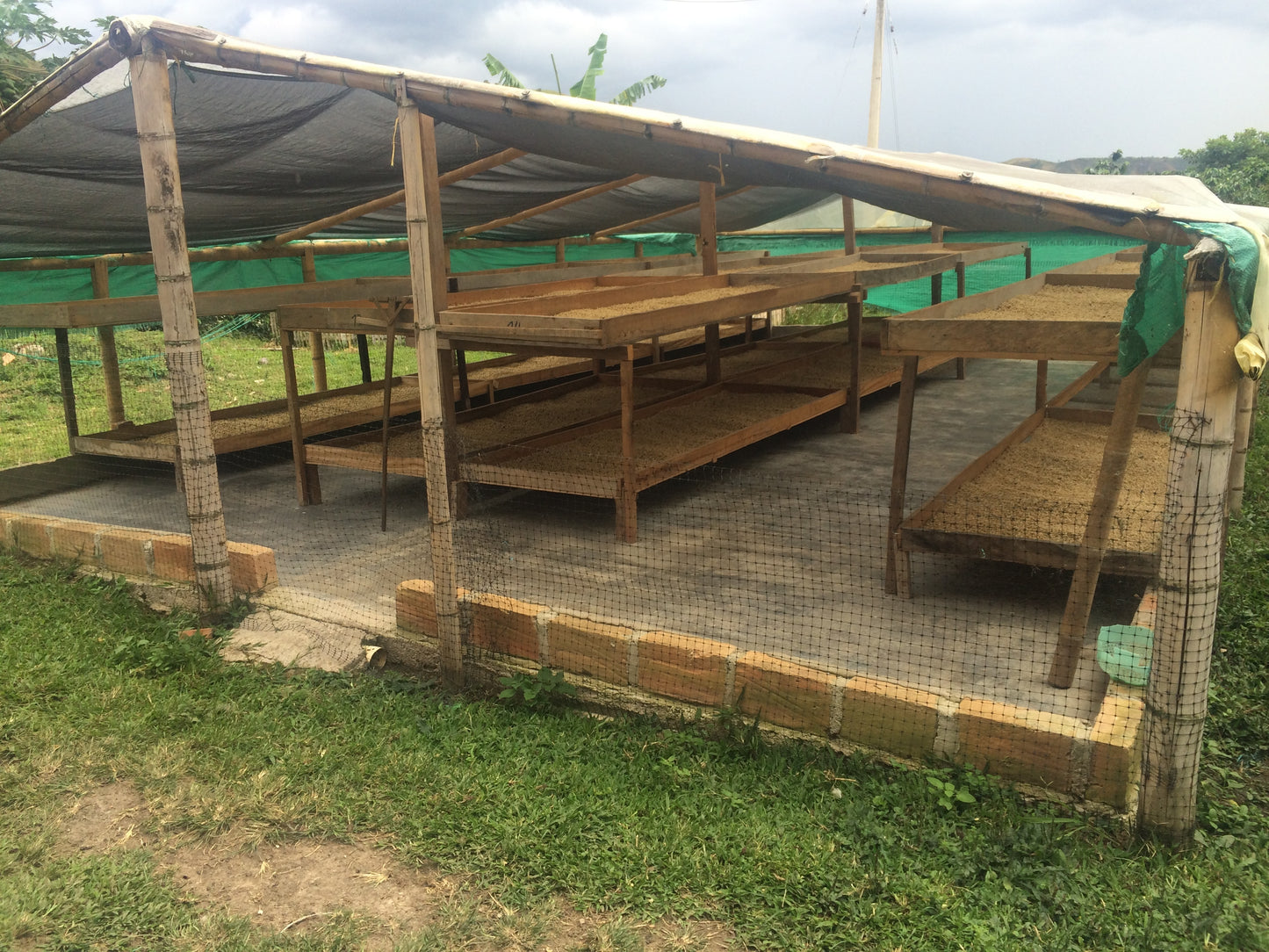
Only ripe cherries are hand-picked, followed by traditional gravity sorting and approximately 24 hours of fermentation, then sun-dried in a greenhouse.
The Suaza district of Huila, located in the Andes mountains of southern Colombia, is a specialty coffee producing region at high altitudes of around 1,700m. The large temperature difference between day and night and the fertile volcanic soil allow the coffee cherries to slowly accumulate sugars and aromatic compounds.
The distinct wet and dry seasons ensure that only ripe cherries are hand-picked, maintaining consistent quality.
Harvests are divided into the main crop and Mitaca (secondary crop), making new coffee available twice a year.
Coffee cherries are selectively harvested in 3 to 4 rounds, with the highest quality cherries often obtained during the second and third harvests.
Since payment is often based on the volume of harvest, it is often difficult to encourage pickers to harvest only ripe cherries. Therefore, hand sorting is sometimes performed at the farm or during the pulping process to ensure uniformity of quality.
The dominant processing method is dry fermentation (a fermentation process that does not use water), often using small manual or electric pulpers.
Afterward, sun-drying is carried out on rooftops, patios, or parabolic dryers.
These facilities also serve to protect the coffee from rain.
Some producers may also perform rinsing or wet fermentation by changing the water in the tanks to delay fermentation and enhance stability.
Drying is strictly controlled, aiming for a moisture content of 11% or less over 10-18 days. This is to maintain cup quality and shelf life.
Mechanical dryers are not used unless necessary, as they can compromise the flavor and aging potential.
Please also see
Extraction method
Official Brew Guide (English)
Here is our in-house pourover recipe used at our roastery. (Updated September 2026)
It may be a bit precise, but we hope you enjoy trying it at home.
Coffee-to-Water Ratio
We use a 1:16 coffee-to-water ratio (1g of coffee to approximately 16g of water).
Examples:
12g coffee : 190g water
15g coffee : 240g water
16g coffee : 260g water
30g coffee : 480–500g water
Equipment Needed
Freshly ground coffee
Dripper
Paper filter
Server / Decanter
Digital scale (for measuring water weight)
Water
Pouring kettle
Timer
Water Temperature
Recommended: ~93°C (199°F)
(Tip: Pouring boiling water into a room-temperature kettle will naturally drop the temperature to around 94°C within 30 to 60 seconds.)
Base Recipe (Single Mug)
Target Yield: ~220–230g of brewed coffee
Coffee Dose: 16g
Total Water Poured: 260g
Step-by-Step Instructions
1. Place the paper filter into the dripper.
2. Rinse the paper filter with hot water to remove any paper taste and preheat your equipment. Discard the rinse water completely.
3. Add 16g of ground coffee into the filter and tap gently to level the coffee bed.
4. Start your timer and begin pouring according to the schedule below:
| Pour | Time | Pour Amount | Total Water |
| 1 (Bloom) | 0:00 | 40g | 40g |
| 2 | 0:40 | 60g | 100g |
| 3 | 1:10 | 60g | 160g |
| 4 | 1:45 | 50g | 210g |
| 5 | 2:15 | 50g | 260g |
・Target Total Drawdown Time: Around 3:00
What to Look For in the Cup
A successful brew will yield a vivid fruitiness backed by rich sweetness, leaving a long, pleasant finish.
(Note: Depending on the bean variety, some coffees may highlight a deeper sweetness over fruitiness, or offer a crisp, clean finish with a shorter lingering aftertaste.)
About aging
Coffee Aging ― The Luxury of Waiting
Do you believe that fresh coffee must be consumed immediately? In reality, coffee has its own ideal moment for optimal flavor—a period known as aging.
Why Coffee Needs Time Freshly roasted beans contain a significant amount of trapped carbon dioxide. When this gas remains, it hinders hot water from properly extracting the soluble compounds, leaving the flavor muffled and blurred.
As the beans slowly degas over days and weeks, the haze clears—revealing the bean’s inherent sweetness and vibrant, clear fruitiness.
Guidelines for Peak Flavor At KRW, we roast our beans thoroughly to the core, condensing their inner flavors. Because of this structure, our coffee requires a slightly longer rest than standard roasts.
• Peak Begins from Day 7 Post-Roast: This is when the aromatics reach their fullest bloom and the body achieves a smooth, velvety texture. The flavor continues to harmonize and deepen through Day 10, Day 15, and beyond.
Storage Rules to Protect the Process To guide the aging process correctly, please keep these two essential habits in mind:
A. Store in a Cool, Dark Place: Oxygen, light, and heat are the main enemies of quality. Keep your beans in their original valved bag or an airtight container, away from direct sunlight.
B. Grind Right Before Brewing: Grinding drastically increases surface area, causing rapid degassing and prematurely ending the aging life. Keep your coffee in whole-bean form as long as possible, and grind only what you need.
Time is the final ingredient that completes a coffee. Enjoy watching its character evolve, day by day, from the date of roast.